10 Best Things to Do in Isafjordur, and How to Fit Them Into One Day
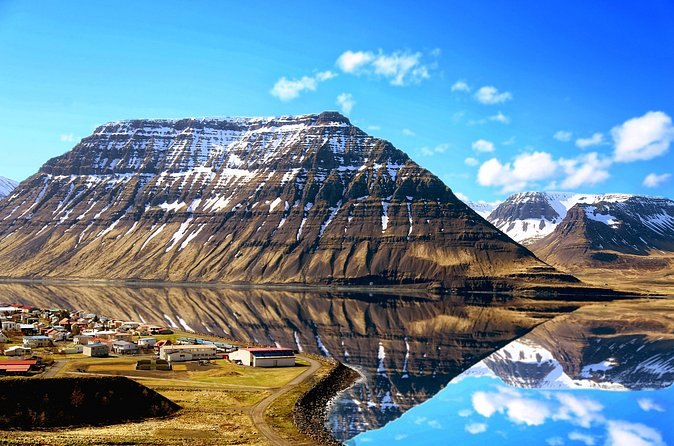
Nine of the ten best things to do here are free. What costs money is the distance between them, which is why the planning matters more than the budget. Here is the list, then three day plans that actually fit.
The ten, in the order most people should do them
- Stand under Dynjandi. A hundred metres of water spreading over stepped basalt, an hour south. The thing the region is known for.
- Cross to Vigur Island. Puffins, an eiderdown farm, Iceland's only windmill and its smallest post office, on two kilometres of land.
- Go looking for humpbacks. Three hours on Ísafjarðardjúp, which is a feeding ground rather than a migration route.
- Walk Neðstikaupstaður. Four timber buildings from 1757 to 1784, the oldest cluster in Iceland, ten minutes from the pier and free.
- Ride the hills above the town. Two hours on a pedal-assist bike, capped at six, up to Búnarfoss and the Skarfasker viewpoint.
- Watch the seals at Hvítanes. A roadside haul-out half an hour along the Djúp where the animals lie on the seaweed.
- Climb Bolafjall. A steel platform 638 metres up, opened in 2022, over Ísafjarðardjúp and Hornstrandir — mid-June to mid-September only.
- See Ósvör at Bolungarvík. A rebuilt nineteenth-century fishing station shown by a curator in fisherman's dress.
- Eat at Tjöruhúsið. Seafood in a warehouse built in 1781.
- Drive the fjord road to Þingeyri. Through the 2020 tunnel, past Holtsbryggja pier, with the mountains on both sides.
Nine of those are free or nearly so. What costs money is closing the distance between them, which is the argument this whole town's tour trade rests on.
How many of them fit in the hours you have
| You have | Realistically | Which of the ten |
|---|---|---|
| 2 hours | One, in town | 4, 5 or 9 |
| 3 hours | One, by boat | 2 or 3 |
| 4 hours | One, by road | 1 |
| 6 hours | One properly, plus the town | 1 or 2, then 4 |
| 8 hours | Two, one of them short | 3 and 5, or 1 and 4 |
| 10 hours | Two, or a private day covering 1, 6, 7 and 10 | a private day |
| 2 days | Six or seven | most of them |
Day plan one: six hours off a ship
- Off at 09:00. Walk straight to the coach outside the terminal.
- 09:30–13:00. Dynjandi and back. An hour out, ninety minutes at the fall, an hour home.
- 13:00–14:00. Walk the spit to Neðstikaupstaður; look at the four timber houses.
- 14:15. Back on board with time in hand.
One thing, done properly, plus a free hour. That is the honest shape of a six-hour call and the cruise port page explains why trying for two is a mistake.
Day plan two: eight to ten hours, or one long day driving
- Morning. A boat — Vigur or the whales. Do the boat first, because it is the one the weather cancels.
- Midday. Lunch in town, and the museum at Turnhúsið if it is open.
- Afternoon. The e-bike ride, or the coach to the waterfall if the timings line up.
- Evening. Tjöruhúsið, if you booked.
Day plan three: two days with a car
- Day one, clear weather. Drive Route 60 to Dynjandi in the morning before the coaches arrive, then on to Þingeyri and back the long way.
- Day one, evening. Neðstikaupstaður and dinner.
- Day two, morning. A boat to Vigur.
- Day two, afternoon. The tunnel to Bolungarvík: Ósvör, then up Bolafjall if the road is open, then the Hvítanes seals on the way home.
That covers eight of the ten and needs nothing booked except the boat. The without a tour guide costs it out.
Which two cannot share a morning?
Dynjandi and any boat. Both need three to three and a half hours, they leave from points ten minutes apart, and the check-in windows do not overlap. On a six-hour call you are choosing between them, and on an eight-hour one you are doing them back to back with no room for anything to go wrong.
Vigur and whale watching have the same problem for the same reason, with the extra wrinkle that they are the same three hours on the same water.
What if it rains?
Almost nothing changes. July gets about 35 mm of rain across the whole month and the coaches run in all of it; the waterfall is arguably better wet. What actually stops things here is wind, and wind stops boats. So on a blowing morning, swap item 2 or 3 for item 1, and keep the museum and a long lunch in reserve. The weather page has the month-by-month.
Is Hornstrandir on this list?
No, and it should not be. The reserve you can see from Bolafjall has been protected since 1975, covers about 580 km², and has had no permanent residents since 1952. There are no roads in. Boats run from here mostly between June and mid-August, and it is a multi-day hiking area. Nothing sold on either booking platform reaches it in a day, and a list that pretended otherwise would be selling you a trip that does not exist.
What about a walking tour of the town?
There is not one, and you do not need one. Ísafjörður is twenty minutes end to end and the interesting part — the trading post — is at one end of the spit with four buildings and a museum on it. If you want a guide with you, the two-hour e-bike ride is the closest thing sold here, and it goes up into the hills that a walk would not reach.
The two things most visitors miss
The lower falls at Dynjandi. Six smaller waterfalls line the path up, and most people walk past them looking at the big one. Several of them are better to stand beside, because you can get close.
Súðavík. The village along the Djúp that the 1995 avalanche struck, and the one stop on the seal tour that is a visit rather than a photo pause. Travellers who went describe meeting people who lived through it. The highlights page covers what is at each end of the Djúp road.
What each of the ten actually costs
Four of them cost nothing at all: standing under the waterfall, walking the old trading post, the Bolafjall platform and the seals at Hvítanes. Two charge admission — ISK 1,600 at the Westfjords Heritage Museum, and an unpublished figure at Ósvör. The other four need a boat, a bike or a vehicle, and that is where the money goes.
It is an unusual ratio, and it explains why the tour trade here looks the way it does. Nobody is selling you access. They are selling you the hour of road between the pier and the thing, and on a ship call that is a fair trade. On a self-drive week it is a much weaker one, which is the argument going without a tour works through.
What to do with an evening
The list above is daylight work, and in June and July there is a great deal of daylight left after it. Three things fill an evening well. Eat at Tjöruhúsið, in the 1781 warehouse at the end of the spit, which needs booking. Walk the harbour when the coaches have gone and the ships have sailed, which is when this town looks most like itself. Or drive fifteen minutes through the tunnel to Bolungarvík and look back down the Djúp.
None of that is sold as a tour, and none of it needs to be. It is also the half of a visit that people who only had a ship call never see, which is the strongest argument for a night ashore.
How to sequence a day so nothing is wasted
- Boat before coach, always, when you are doing both.
- Early over late at the waterfall; the car park fills in waves as the ships unload.
- Walk the meeting point before you need it, especially the whale boathouse.
- Leave the last hour empty. Every trip here has a stated length and none of them has a stated margin.
Sources
Checked on 5 September 2026. Hours, fares and road conditions belong to the bodies that publish them and they change with the season. The official pages are the place to confirm before you travel.
- Visit Westfjords — the regional tourist board
- Visit Westfjords — Outstanding Bolafjall
- Visit Westfjords — Ósvör Maritime Museum
- Visit Westfjords — Westfjords Heritage Museum
- Wikipedia — Ísafjörður climate table
Every trip named in this guide is compared on price, hours and what the fare covers at Isafjordur Tours.
Frequently asked questions
How long do Isafjordur tours last?
Is there a walking tour of Isafjordur?
Do I need a car?
What happens if the weather stops the tour?
Can children come along?
Is food included?
Trips that fit the plans above
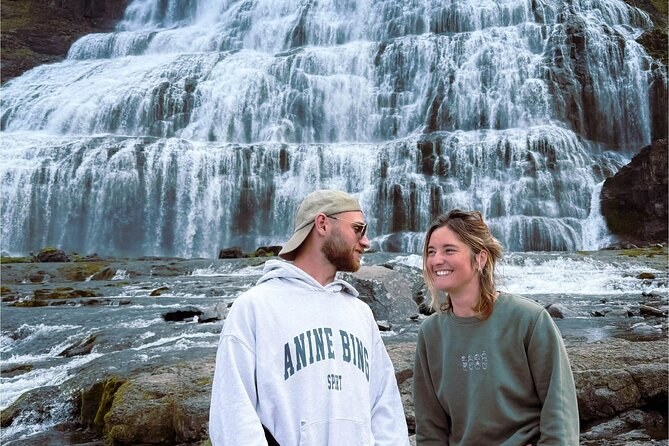
4-Hour Isafjordur and Dynjandi Tour with Photo Stops
Four hours with photo stops and a cap of eighteen, for a day built round the light rather than the schedule.
From $179 per person
Check Availability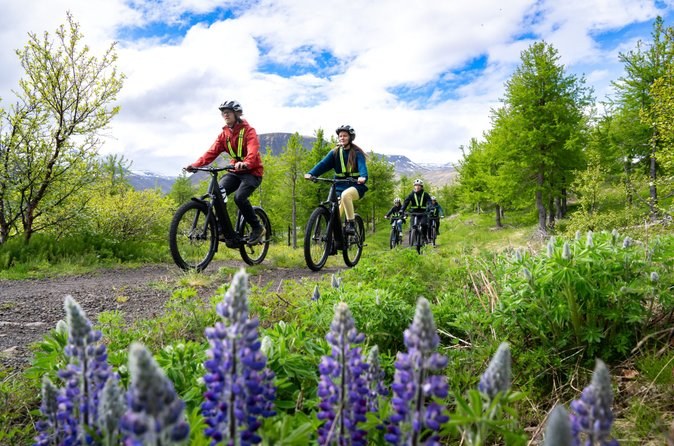
Guided E-Bike Tour in Isafjordur
Two hours and a cap of six — the short slot in every plan above, and the only guided way to see the town.
From $169 per person
Check Availability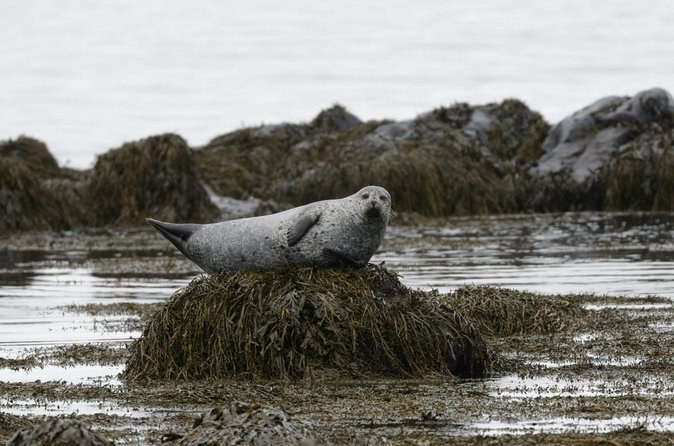
Seal Watching and Scenic Fjord Tour
The Hvítanes seals and Súðavík, which is the half of this list most visitors never reach.
From $151 per person
Check AvailabilityPick one thing per three hours, do the boat before the coach, and leave the last hour of your call empty. Everything else here is detail.