12 Facts About Isafjordur That Surprise First-Time Visitors
The short answer
The sun disappears behind the mountains from about 24 November to about 25 January. The oldest timber-frame houses in Iceland stand at the end of the spit. July averages 9.9 °C. And Iceland's only windmill and its smallest post office are both on one small island half an hour out into the fjord.
1. The sun leaves for two months, and the town has a party when it comes back
Ísafjörður sits in a bowl of mountains high enough that from about 24 November the sun does not clear them at all. If you visit in December you will not see it rise, whatever the clock says. The town gets none until roughly 25 January. Its return is marked with sólarkaffi — sun coffee — served with pancakes, and there is a running disagreement about when to hold it: some keep to the 25th, some wait until the sun reaches Sólgata, and some wait until it reaches their own window.
2. This is not the Arctic Circle, and it behaves as if it were
The town sits at 66°04′33″N. The Arctic Circle is at about 66°34′N, so Ísafjörður misses it by roughly half a degree. What produces the dark months is not latitude but the mountains, which is a different and rarer thing.
3. The oldest timber houses in Iceland are at the end of the runway
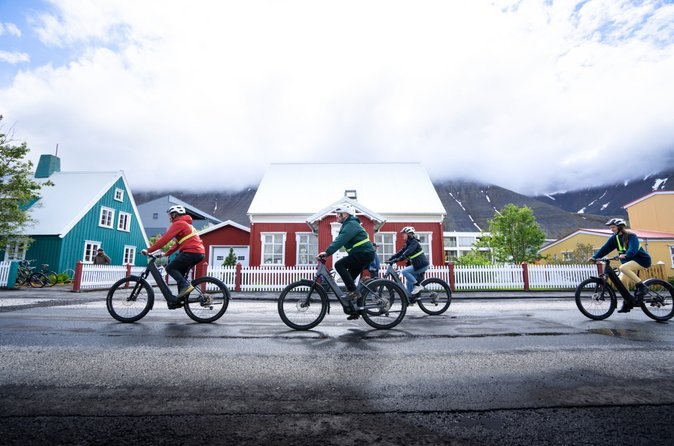
Neðstikaupstaður, the old Danish trading post on the spit, holds four buildings that predate almost everything else standing in the country: Krambúð from 1757, Faktorshús from 1765, Tjöruhúsið from 1781 and Turnhúsið from 1784. You can walk between them in five minutes, and you will pass all four on the way to the museum.
4. One of them is a fish restaurant now
Tjöruhúsið, built as a warehouse in 1781, serves seafood, so you can eat your way through one of them. Turnhúsið, three years younger, is the Westfjords Heritage Museum. The key highlights page has the museum's season and admission.
5. The whole region has fewer people than a small town
| Population | As of | |
|---|---|---|
| Ísafjörður, the town | 2,744 | 1 January 2023 |
| Ísafjarðarbær, the municipality | 4,130 | 1 October 2025 |
| The Westfjords, the whole region | 7,341 | 2026 |
That last figure makes the Westfjords the least populous region in Iceland, and Ísafjörður its unofficial capital.
6. The warmest month averages under ten degrees
July's daily mean is 9.9 °C. The annual mean is 3.1 °C, and the climate classification is tundra rather than temperate. Pack for the coolest inhabited part of Iceland at sea level, because that is what you are visiting.
7. A five-kilometre tunnel replaced a road nobody wanted to drive
Vestfjarðagöng, 5.4 km, was completed in 1996 and links the town to Bolungarvík. Before it, the road ran beneath a cliff with a reputation for avalanche and rockfall. A second tunnel, Dýrafjarðargöng, opened in October 2020 and took the mountain pass out of the route south to the waterfall.
8. Iceland's only windmill is on an island you can visit in three hours
Vigur, out in Ísafjarðardjúp, holds the country's only remaining windmill and its smallest post office, alongside a working eiderdown farm. It is about two kilometres long and a few hundred metres wide, and you can be standing on it half an hour after you leave the harbour. The boat tours page covers both sailings.
9. You may be handed a stick before you are allowed to walk
In July, when the Arctic terns on Vigur are nesting, you are handed a stick to carry above your head. Terns dive at the highest point they can see, and the stick is there so that it is not your scalp. The island's own team describe it as generally only needed that month.
10. The eiderdown is collected after the birds have finished with it
Eiders nest close to the houses on Vigur because proximity to people protects them from predators, and the down is gathered from the nests once the chicks have hatched and gone. It is then dried, sorted and cleaned by hand. The arrangement is centuries old and it is the reason the island is farmed at all.
11. There is a platform 638 metres up that only exists in summer
The steel viewing platform on Bolafjall, above Bolungarvík, opened in 2022 and juts out over the cliff edge. From it you look over Ísafjarðardjúp, Jökulfirðir and Hornstrandir. Check your dates before you count on it: the road up is typically passable only from mid-June to mid-September.
12. The reserve you can see from up there has been empty since 1952
Hornstrandir has been protected since 1975, covers about 580 km², and has had no permanent residents since 1952. There are no roads into it. Boats run from Ísafjörður mostly between June and mid-August, and it is a multi-day hiking area rather than an afternoon — which is why no day tour here reaches it. Things to do covers what does run instead.
What none of this tells you about the waterfall
Nothing above is about Dynjandi, which is deliberate: the fall is an hour south and it is a different subject with its own guide. What the twelve facts here are about is the town at the near end of that road, which most visitors pass through without looking at.
Where these came from
- Population, coordinates, climate and the tunnels: the town's own encyclopaedia entry and the Icelandic figures it cites.
- The sun dates and sólarkaffi: the University Centre of the Westfjords, which is in the town.
- Vigur, Bolafjall and the museums: Visit Westfjords, the regional tourist board.
- The terns and the eiderdown: the island's own operators, in their own words.
Every trip named here is compared on price, hours and what the fare covers at Isafjordur Tours.
Frequently asked questions
Is it true the sun disappears in winter?
What is the weather like?
When can I see puffins near Isafjordur?
When is the best time to visit Isafjordur?
Do I need a car?
Is there a walking tour of Isafjordur?
Trips that reach the facts above
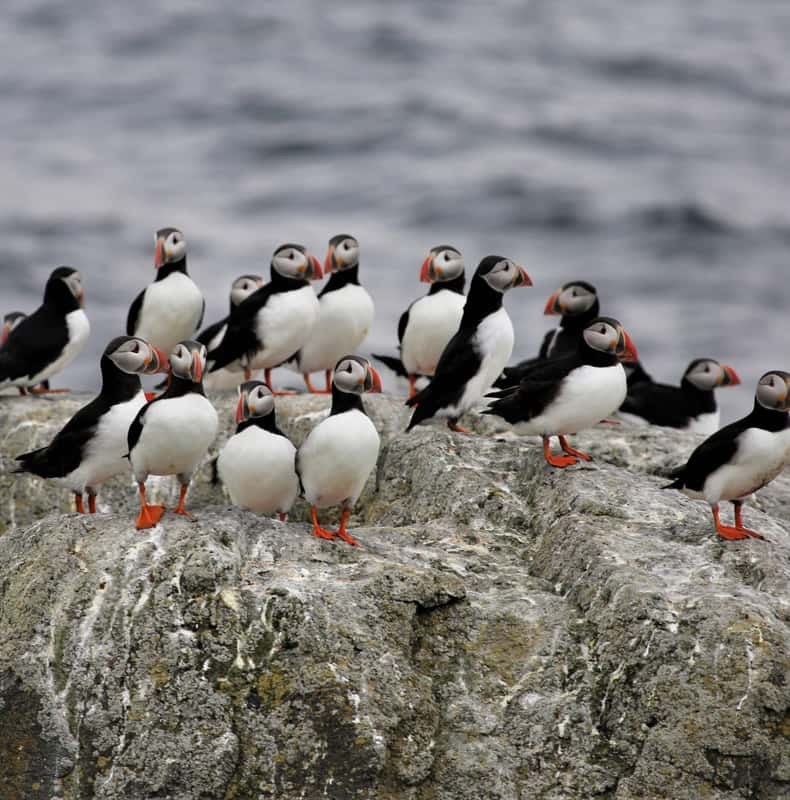
Vigur Island Tour from Isafjordur
The island with the windmill, the post office and the eiderdown farm, three hours door to door.
From $229 per person
Check Availability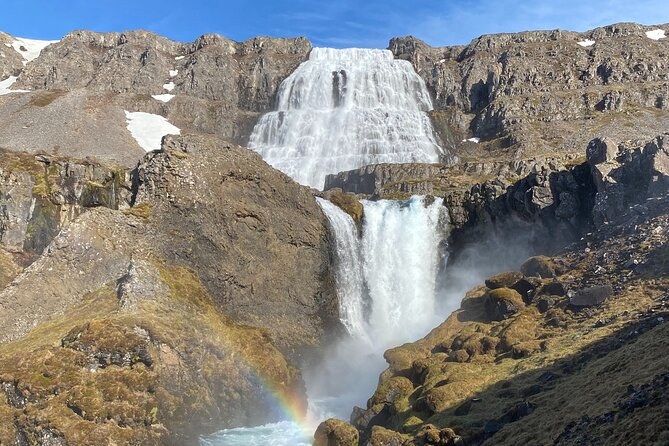
Isafjordur and Westfjords Private Tour
Six stops across the peninsula in one private day, Bolafjall included when the road is open.
From $1,875 per group, up to 4
Check Availability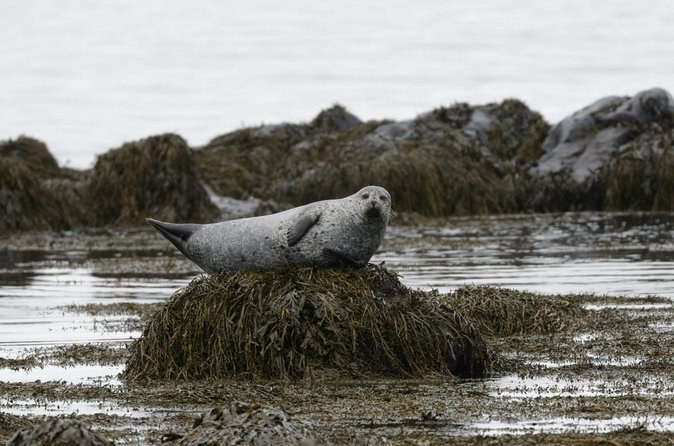
Seal Watching and Scenic Fjord Tour
The other direction out of town: the Hvítanes seals and Súðavík, away from the waterfall traffic.
From $151 per person
Check AvailabilityMost of what makes this town unusual is either free or half an hour away, and the trips below are the ones that close that half hour.